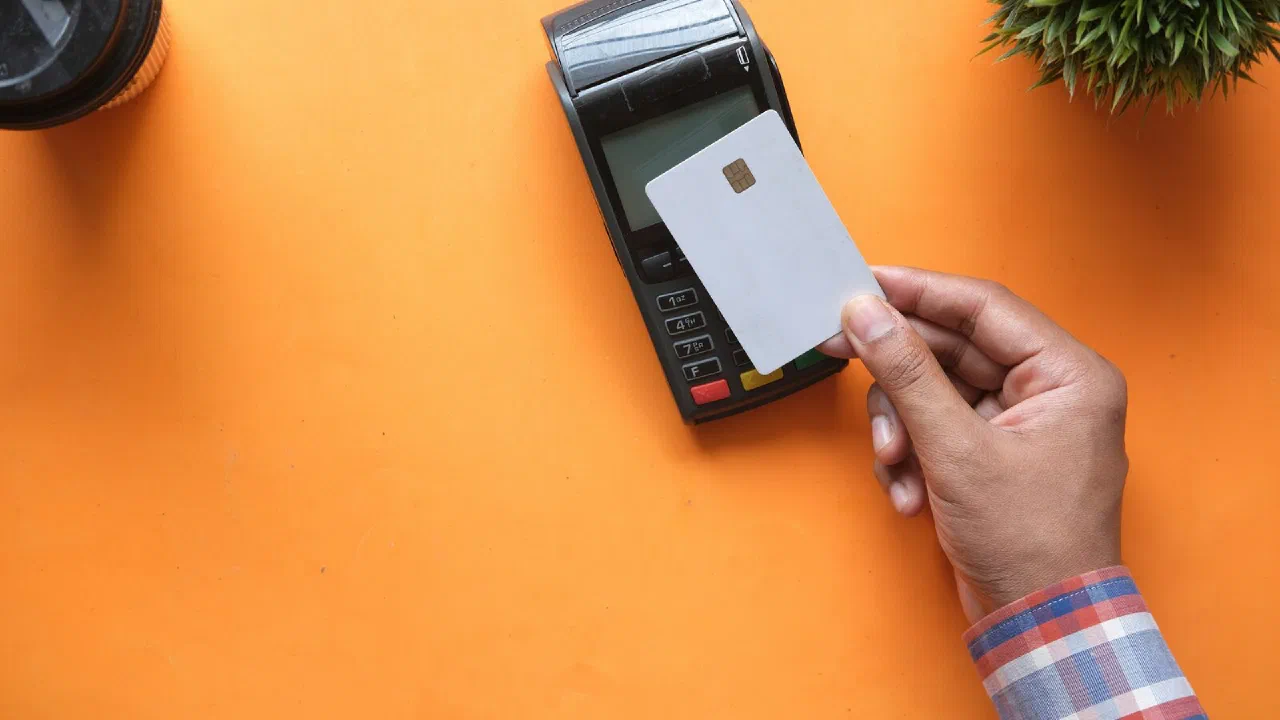
Carry a card and two thousand dinars in small notes. That is the whole answer, and the second half is the part nobody tells foreigners. Belgrade is a card city in every way that shows up in a guidebook — contactless is normal, terminals are everywhere, the coffee is paid for with a phone — and it is a cash city in a handful of places you will use constantly, several of which are also the places where a large note is refused.
The failure mode is specific and it is not “my card was declined”. It is standing at a market stall holding a 2,000-dinar note for a 180-dinar purchase, being told nemam kusur — немам кусур, I have no change — and having no way to complete a transaction you have already agreed.
Checked on 6 September 2026.
What takes a card
Effectively everything institutional: supermarkets, chain pharmacies, restaurants, bars, clothing shops, cinemas, the big bakeries, most petrol stations, most taxis booked through an app, and almost every counter with a fixed till. Visa and Mastercard both work normally, contactless is standard, and phone payment is unremarkable.
Two local rails are worth knowing about, because they explain terminals that look unfamiliar:
DinaCard is Serbia’s domestic card scheme, run under the National Bank of Serbia. Many Serbian accounts come with one alongside an international card. It works in Serbia and not much outside it, which is exactly what it is for; if your bank offers you one, take it — it is often the card with no monthly fee attached.
IPS is the National Bank’s instant payment system, and its QR-code payments turn up at merchant tills, on utility bills and on invoices. You scan a code in your banking app and the transfer settles immediately. It is genuinely good, it costs nothing at the point of use, and it is the local answer to a lot of things you might otherwise do with cash. Ask your bank whether their app supports it when you open the account — opening an account as a foreigner.
What does not
The list is short and predictable once you have it:
- The pijaca. Kalenić, Zeleni venac, Bajloni and every neighbourhood market: cash, small notes, and the stallholder does not have change for a 2,000.
- Trafike and small kiosks. Some have terminals now. Assume not.
- Small neighbourhood bakeries and butchers, particularly early in the morning.
- Street taxis flagged down rather than ordered. Ordered through an app, you can usually pay in the app; flagged on the street, expect cash and expect a driver who is unenthusiastic about breaking a large note.
- Some doctors’ and dentists’ reception desks, and a great many small private practices.
- Tips, everywhere. Tipping is cash even where the bill was paid by card.
- A landlord. Rent and deposits are their own world — usually a bank transfer for rent, very often euro cash for the deposit, which is the two-currency habit.
The change problem, which is the real problem
Serbian banknotes run from 10 dinars up to 5,000, and ATMs are fond of dispensing the large ones. The result is a mismatch: the machine gives you 2,000s and 1,000s, and the places that need cash deal in 100s and 200s.
Three habits fix it permanently:
Break large notes at supermarkets. A big till always has change and never minds. Buy something small on a large note early in the day and you are set.
Withdraw amounts that force smaller denominations. Asking an ATM for an amount that is not a round multiple of 1,000 will often get you a mix. It is not guaranteed, but it costs nothing to try.
Keep a separate small-note pocket. Sounds fussy; it takes a week to become automatic and it ends the problem.
ATMs, and the one screen that costs you money
Withdrawing dinars from a foreign card works fine. Two things to watch:
Always decline the conversion. The machine will offer to charge you in your home currency rather than dinars, at its own rate. Choose dinars, every time, at ATMs and at shop terminals alike. This is the most consistently expensive button in the country and it is presented as a convenience.
Watch the fixed fee, not the percentage. Several small withdrawals cost far more than one larger one. If you are still on a foreign card, withdraw less often and in bigger amounts — and then go and open a local dinar account, which removes the whole question.
Some ATMs offer euro withdrawal as well as dinar. Take dinars for spending; euros from an ATM are rarely the cheapest way to get euros.
Paying a bill, which is its own small system
Your Infostan bill and your electricity bill arrive as paper with a payment slip attached — an uplatnica, preprinted with the recipient’s account, the amount and a reference number. You have four ways to pay it, and they are not equally sensible:
E-banking or your bank’s app. Type or scan it once, and most banks will remember the recipient for next month. This is the answer.
The IPS QR code on the bill. Where the slip carries one, scanning it fills in every field including the reference. Faster and less error-prone than typing.
A bank counter or the post office. Works, costs a fee per slip, and involves a queue. Reasonable exactly once, while you are setting up.
A payment kiosk or a shop offering bill payment. Convenient, and it charges for the convenience.
Whichever you use, the reference number is the part that matters. Serbian payment slips carry a poziv na broj — a reference that tells the recipient which account the money belongs to. Get it wrong and the payment leaves your account and does not reach your bill, which takes a phone call and a fortnight to unpick. Copy it exactly, digits and dashes.
What to carry in the first week
Before the local account exists, this is the working kit:
- One international card with contactless, and a second card kept somewhere else.
- Around 2,000–3,000 dinars in small notes, refreshed as it runs down.
- Some euro cash for the deposit and anything private, in notes people actually use.
- Your phone with the banking app working before you fly. Sorting out an app that wants an SMS to a number you no longer use is a bad first morning.
After the local account exists, replace the first two with a Serbian dinar card and stop thinking about it. the month, itemised is where the rest of the spending lives.
Two things people get wrong
Assuming cash is the cheap option. It is not, once you count what getting the cash cost you. A local card on a local account costs nothing to use; a foreign card at an ATM costs something every time.
Assuming a card-only life is possible. It nearly is, and the exceptions are the pijaca and the tip — which is to say, the two places where being unable to pay is most awkward and least recoverable. The cost of avoiding that is carrying a few hundred dinars. Carry them.
The one-line version
Card for institutions, cash for people, small notes for both. Decline every offer to charge you in your home currency, get a local dinar card as soon as you have an account, and keep enough small change that a market stall is never a negotiation.