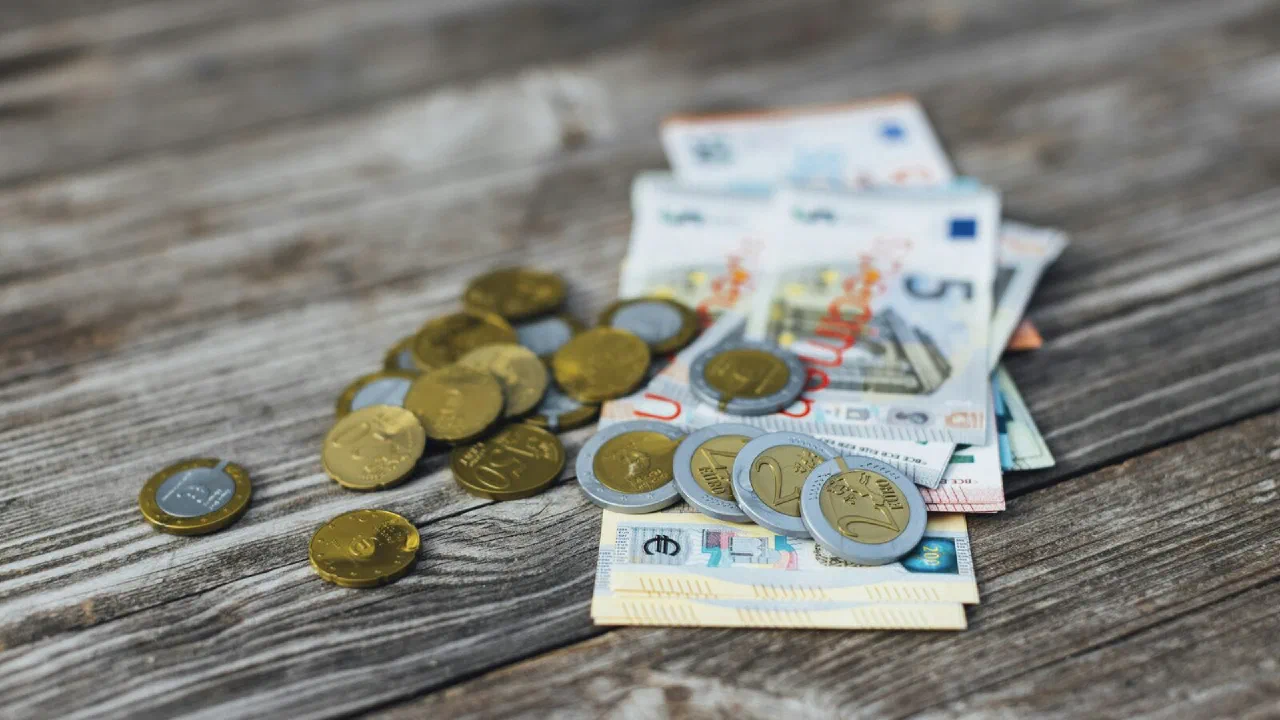
The currency used in Serbia is the dinar — RSD, written дин. on a till and din. on a menu — and it is the only thing you can pay a shop, a restaurant, a bus or a utility bill in. The euro is not legal tender here.
And yet your rent will be quoted in euros, your deposit will probably be handed over in euro cash, and a used car will be advertised in euros. Serbia runs two currencies of quotation and one currency of payment, and knowing which category a price falls into is the practical skill. It is also where new arrivals lose small amounts of money repeatedly without noticing.
Checked on 6 September 2026.
The currency used in Serbia, and the one prices are quoted in
Small and everyday is quoted in dinars. Large, durable or long-term is quoted in euros and settled in dinars at the day’s rate.
| Quoted in dinars | Quoted in euros |
|---|---|
| Groceries, restaurants, the pijaca | Rent, and the deposit |
| Utilities, Infostan, electricity | Property purchase |
| Phone, internet, subscriptions | Used cars |
| Salaries and invoices to Serbian clients | Some private tuition and services aimed at foreigners |
| Administrative fees and taxes | Larger private second-hand sales |
The euro column is not a foreign-currency price list. It is a habit of quotation in a country that has long used the euro as its unit of account for anything that holds value over time. The payment still happens in dinars unless both parties are private individuals settling in cash.
The rate that settles it
The National Bank of Serbia publishes a daily middle rate — the srednji kurs — on nbs.rs.
It is the reference number, it is free, and it is what a lease means when it says the rent converts
“at the National Bank’s middle rate on the day of payment”.
Everything else you are offered is that number plus a margin. A bank buys and sells at a spread around it; a menjačnica — мењачница, the word on the sign, and worth recognising in Cyrillic because plenty of them are signed that way — displays its own buy and sell rates in the window.
Two practical notes:
- Exchange offices usually beat banks on cash. They compete openly, the rates are posted in the window, and comparing two on the same street takes a minute.
- The dinar is managed against the euro and has been notably stable for years. That is a description of the past, not a forecast, and nothing on this site will tell you when to convert or what to hold. If you want the current number, it is published daily; if you want a prediction, nobody honest has one.
The lease clause that decides your rent
This is the single place the two-currency habit costs real money, so read the sentence in your lease before you sign it. A euro-denominated rent has to say how and when it converts, and leases differ:
- At the NBS middle rate on the day of payment. The cleanest and the most common.
- At a named bank’s selling rate. Slightly worse for you, and legitimate if it is stated.
- At a fixed rate written into the contract. Uncommon, and it cuts both ways.
- Nothing at all, which means an argument later.
If the clause is missing, ask for the middle-rate wording to be added. It is a normal request, it costs the landlord nothing, and a landlord who refuses to put the conversion basis in writing is telling you how the rest of the tenancy will go. the lease clauses that cost foreigners money takes the rest of the contract apart.
Cash, and the deposit that arrives in an envelope
Deposits and private sales in euro cash are the norm here rather than the exception, and a foreigner who insists on a bank transfer for a deposit will sometimes be met with genuine puzzlement. That is the local practice. It does not remove your side of it:
Get a receipt, in writing, naming the amount, the currency, the date and what it is for. A potvrda on paper with both names on it. This is not distrust; it is the only evidence you will have when the tenancy ends and the deposit is being discussed — one month, two, and getting it back.
Check the notes. Large old euro notes are occasionally refused by banks and exchange offices. If you are carrying cash in, carry the notes people actually use.
Know the declaration rules before you cross a border with cash. There is a threshold above which cash must be declared at the Serbian border, it applies in both directions, and the number and the procedure are published by the Customs Administration. Check it there rather than taking a figure from a forum — it is exactly the kind of number that moves.
Reading the board at an exchange office
The window of a menjačnica shows a small table, and the words on it are worth ten seconds of learning because they are the same everywhere.
- Куповни / kupovni — the buying rate. What they pay you for your euros.
- Продајни / prodajni — the selling rate. What they charge you for euros.
- Средњи / srednji — the middle rate, the National Bank’s reference, sitting between the two.
The gap between the buying and the selling column is the office’s margin, and it is the only number you are actually comparing between two shops on the same street. A board showing a narrow gap is a better deal than a board showing a good-looking buying rate and a wide one.
Take a passport or an ID if you are changing anything substantial, and take the receipt. Serbian prices themselves are written дин. or RSD, and a menu that writes € next to a price is either aimed at tourists or is quoting you something you will still pay in dinars.
Where you will actually lose money
Small, repeated, and mostly avoidable:
Dynamic currency conversion at a card terminal. The machine offers to charge you in your home currency instead of dinars. Always choose dinars. The convenience conversion is done at somebody else’s rate and it is never the better one. The same offer appears at ATMs; the same answer applies.
Converting everything the day it arrives. If your rent is in euros and your bills are in dinars, you have a genuine use for both. Converting the whole month’s income into dinars and then buying euros again for the rent is paying two spreads for nothing.
Airport and hotel exchange counters. Same as anywhere. Walk two hundred metres.
Withdrawing dinars in small amounts repeatedly from a foreign card. The fixed component of each fee is the part that hurts. A local dinar account removes the problem entirely — opening an account as a foreigner.
Which prices to memorise
Rather than memorising a rate, memorise two anchors and do the arithmetic in your head:
- The rough dinar-per-euro figure, which you can read once a week and which moves slowly.
- One familiar item — a coffee, a monthly transport pass where one applies, a loaf from the pekara. Anchoring on something you buy often tells you whether a price is normal faster than any conversion does.
That is genuinely all the currency fluency you need here. a month in Belgrade, itemised is the same arithmetic applied to a whole budget, and it is deliberately built out of ratios for the same reason this post refuses to print a rate: the number on the day you read this is not the number on the day you pay.
The one-line version
Dinars for everything you buy, euros for everything you sign for, and the National Bank’s middle rate is what turns one into the other. Get the conversion basis into your lease in writing, always pay a card terminal in dinars, and keep enough of both currencies that you are never converting under pressure.