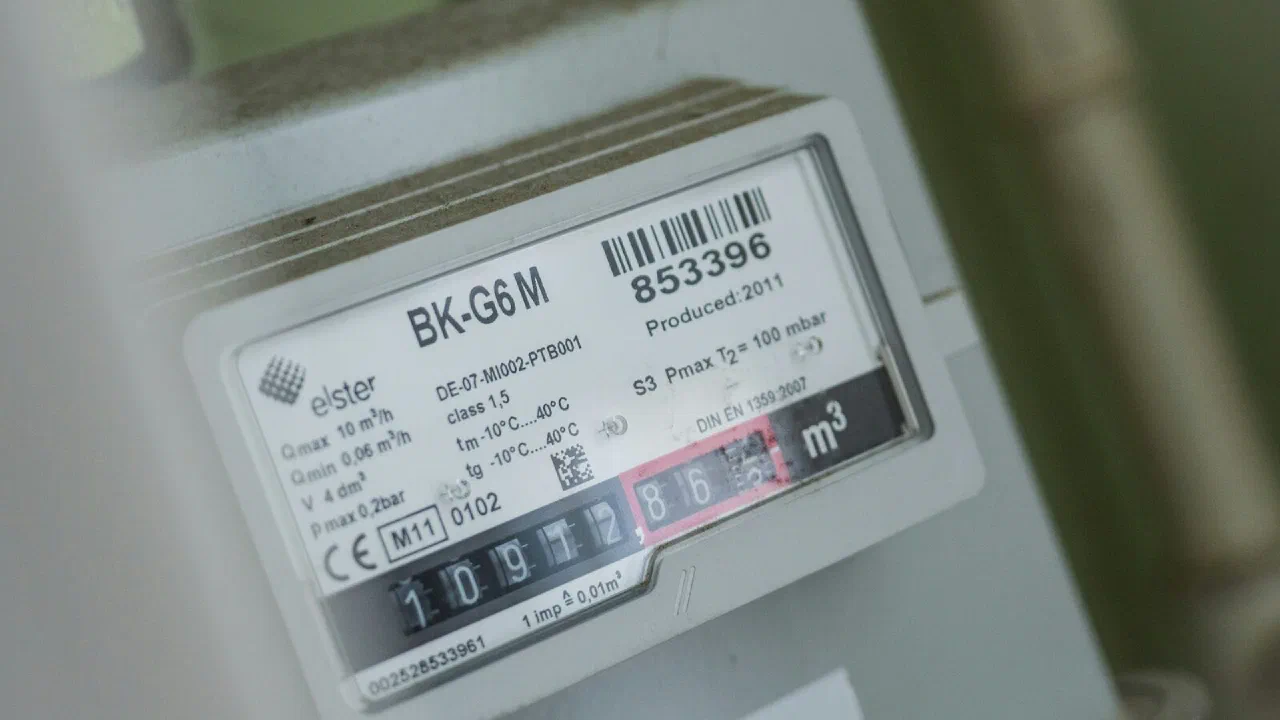
Photograph the meters before you put a single box down. That is the whole job, and the reason is that Belgrade’s household bills arrive on a delay, so the first bills with your name on them cover a period that includes somebody else’s consumption. Without a dated reading you have no way to say which part was theirs, and the default assumption at the end of the tenancy will not be in your favour.
The second thing to know is that bills here come in two separate streams that people routinely conflate: Infostan is one bill and struja is another, and which of them carries your winter heating depends on the flat, not on the city.
Checked on 2 October 2026. Tariffs, billing cycles and transfer procedures move; sourcing at the end.
The two bills, and why the split matters
Infostan (Инфостан) is the city’s consolidated communal bill — one monthly statement that carries several services at once. On a flat with daljinsko grejanje, district heating, that statement includes the heating, along with water, waste collection, building maintenance and the lift. It is calculated partly against the flat’s floor area, which is why a generously sized flat costs more every month in a way the rent does not show.
Struja (струја) is electricity, billed separately by the electricity supplier. On a flat with etažno grejanje — your own boiler, usually electric or gas — the winter heating cost lands here instead, and it is not a small reallocation. Two flats at identical rent, one district-heated and one on etažno, can differ meaningfully over a winter.
The practical consequence: “bills included” is not one offer. On a district-heated flat it means the landlord is absorbing a seasonal Infostan. On an etažno flat it usually means the Infostan only, with the electricity — the expensive half in January — still yours. Ask which, in those words, and get it named in the lease. The bills clause, read properly is where that sits in the contract, and heating type as a rent decision does the arithmetic before you choose a flat at all.
Gas, where the flat has it, is a third bill. Internet is a fourth and is the one thing on this list you will usually arrange in your own name without friction.
The handover checklist
Do this with the landlord present, on the day, before the furniture arrives.
- Photograph every meter you can find — electricity, water where the flat is individually metered, gas, and the heat allocator if the building has them. Get the serial number in the frame as well as the reading, so the photograph proves which meter it was.
- Write the readings into the inventory and have both of you sign it. The photograph is evidence; the signed line is agreement.
- Ask for the last three bills. Not to check the landlord — to see the actual seasonal shape of this specific flat. A January Infostan and a July Infostan tell you more about your annual cost than any average will.
- Establish whose name each account is in, and whether it is changing. In a rented flat the Infostan account very often stays in the owner’s name, which is normal; what you need to know is how you will see the bill and how you will pay it.
- Check for arrears. A previous unpaid balance attached to the flat is the landlord’s problem, but you do not want to discover it when a service is interrupted. Ask directly whether anything is outstanding, and ask for it in a message rather than a conversation.
- Confirm how you pay. At a post office or bank counter, through a bank’s app, or through eUprava where that applies to the service. Have one working route before the first bill is due, not after.
Then keep the photographs. The deposit comes back because of this evidence — the meter readings are as load-bearing as the photographs of the scratched floor.
The bills that arrive later
Three categories, in order of how often they surprise people.
The first full-cycle bill. Because billing lags consumption, your first statement covers a period starting before you had the keys. With a dated reading you can apportion it; without one, you cannot. This is the single reason the meter photograph is the first thing in this post.
The heating season. Billing for district heating is seasonal, and the first cold month’s statement is a multiple of the summer ones. If you moved in during summer and budgeted off the bills you have seen, you have budgeted off the cheapest months of the year. Ask for a January statement at handover, specifically.
The building’s own charges. Separate from Infostan: a building fund or maintenance levy decided by the residents’ assembly for a lift repair, a façade, a roof. Whether a tenant contributes depends on the lease and on local practice, so it belongs in the bills clause by name. It is not a large sum and it is a predictable argument.
Internet, and the one account that is cleanly yours
Of everything on this list, the internet connection is the one you will normally arrange in your own name, pay yourself, and cancel yourself. That makes it the simplest and also the one with a contract term worth reading: a discounted monthly price is usually tied to a fixed commitment, and leaving early is charged. Match the commitment to your lease rather than to the offer — a twenty-four-month contract on a twelve-month lease is a line you will pay twice.
Where the flat already has a working connection in the landlord’s name, you have a choice between inheriting it (simpler, and you cannot query the bill or change the package) and taking your own (a visit from an installer, and a service that is yours). For a twelve-month stay, inheriting is usually right. For anything longer, take your own.
Moving out
Repeat the whole routine in reverse, on the day, with the landlord there:
- Final readings, photographed and signed.
- A written note that the flat was handed back, dated, with the keys accounted for.
- Agree in writing what is being held against which outstanding bill. A specific sum against a specific named bill, with the balance of the deposit returned now. Not the whole deposit held against the possibility of a bill, which is the default landlord position and the reason deposits come back late.
That last point is where the Infostan delay bites hardest at the end of a tenancy: the final bill genuinely has not arrived, the landlord genuinely does not know the figure, and a reasonable tenant accepts an open-ended wait. Do not. Agree a cap and a date.
Where your flat’s actual numbers live
- Infostan — what the consolidated bill covers, how it is calculated and how it is paid: JKP Infostan Tehnologije, the city’s own utility. Check it rather than relying on a description, including this one.
- Electricity tariffs and account transfer — the electricity supplier (EPS), whose published tariff structure changes.
- Gas — the local distributor, where the flat has a connection.
- Building fund levies — decided by the residents’ assembly under the 2016 Law on Housing and Building Maintenance (Zakon o stanovanju i održavanju zgrada); the amount is building-specific and is not published anywhere central.
- Seasonal variance — ask for the flat’s own last twelve bills. There is no useful average, because the two heating types and the flat’s area dominate the figure.
Nothing here is a tariff quote. Every number that matters for your flat is on your flat’s own bills, and that is why the checklist above asks for three of them before you sign anything.